
Lightning Strike Damage Restoration Port Charlotte
Lightning strike damage restoration coordinates fire, electrical surge, roof, and storm water scopes that a single strike can cause. Southwest Florida's thunderstorm exposure makes this a relevant concern for Port Charlotte and Charlotte County properties. Explore safety clearance, fire and smoke evaluation, licensed electrical inspection, roof assessment, and coordinated reconstruction — based on qualified assessment, not assumption.
Request Restoration Help
Tell us about the property damage and the location. Submit your inquiry so the appropriate next steps can be discussed.
Lightning Strike Property Damage in Port Charlotte
Lightning strike damage restoration coordinates several scopes at once, because a lightning strike can cause fire, electrical surge damage, structural roof damage, and storm-related water intrusion in a single event. A direct strike can ignite building materials, send a massive electrical surge through the wiring and connected equipment, and damage the roof at the point of contact. Not every post-storm electrical or roof problem is caused by lightning, however — the cause is determined by qualified evaluation rather than assumption.
The distinction between a direct lightning strike and other electrical surge incidents matters for the restoration plan. A direct strike may involve fire damage at the point of contact, roof penetration, and surge damage throughout the electrical system and connected electronics. An indirect or nearby strike may cause surge damage without structural fire. The assessment establishes what actually occurred and what damage resulted, so the restoration plan addresses the real scope rather than a guess.
Southwest Florida's thunderstorm and lightning exposure makes this a relevant regional concern, but the restoration approach is the same as any fire and storm damage: safety first, qualified evaluation of the electrical and structural systems, coordinated cleanup of smoke and water, and reconstruction of affected materials. The plan does not assume lightning caused every post-storm problem — it relies on the investigation to determine the cause and the resulting damage.
Signs of Possible Lightning Strike Damage
Lightning damage can be structural, electrical, or both. These indicators suggest a strike may have caused property damage requiring professional evaluation:
How Lightning Strike Damage Restoration Works
Lightning damage restoration begins with safety clearance. The property is not entered until fire officials have authorized reentry and the structure is determined safe. Because lightning can cause both fire and electrical surge damage, the site is assessed for active fire, smoldering materials, and electrical hazards before any cleanup begins. A fire that smolders inside a wall cavity or the attic after a strike is a particular concern and must be confirmed extinguished.
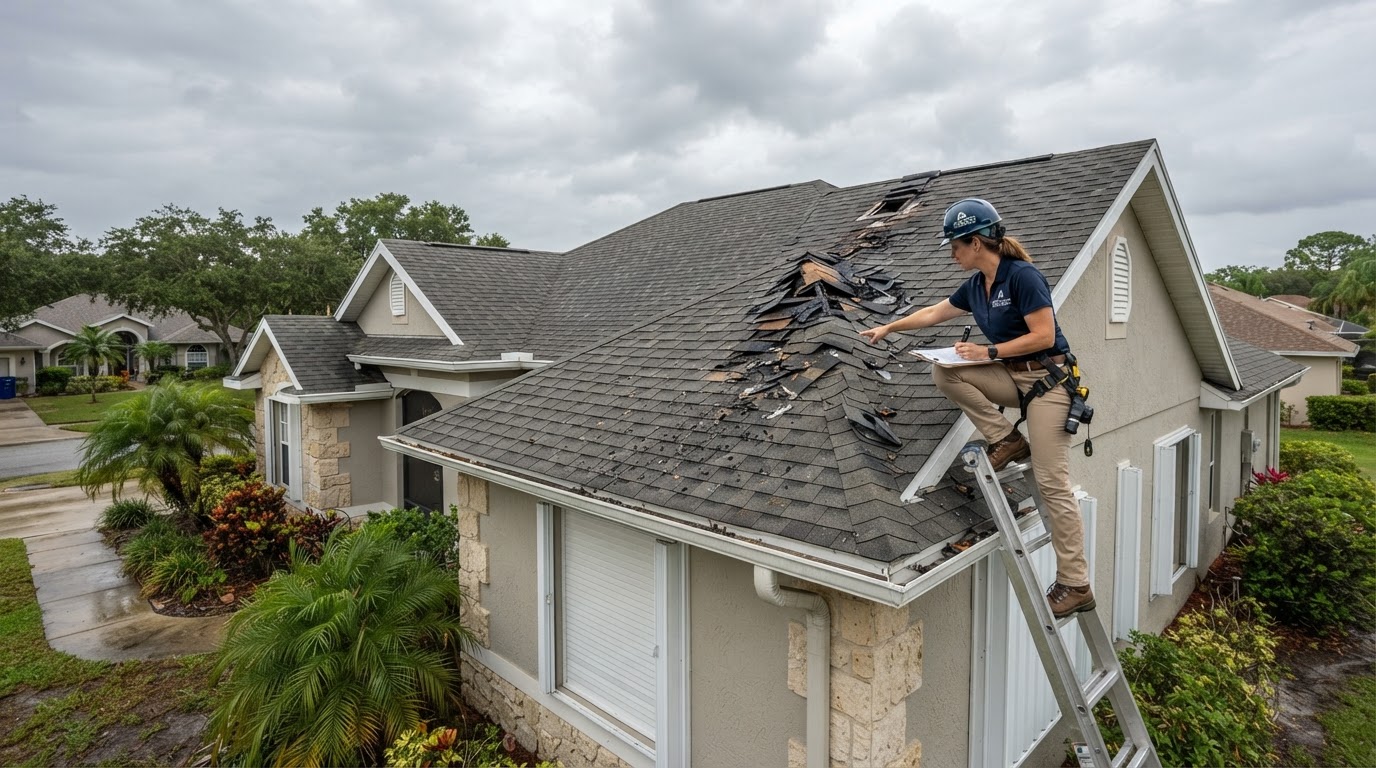
The damage assessment then identifies the full scope. If the strike ignited a fire, the fire and smoke damage are evaluated. The electrical system is inspected by qualified, licensed professionals to determine the extent of surge damage to wiring, panels, devices, and connected equipment. Roofing is assessed where the strike made contact, and any storm-related water intrusion is evaluated. Each of these scopes may involve a different qualified professional, and the restoration plan coordinates them.
Cleanup proceeds in coordination. Smoke and soot from any lightning-related fire are removed. Water intrusion from storm damage or roof penetration is mitigated and dried. Contents damage — including surge-damaged electronics and appliances — is documented. Reconstruction planning addresses the roof, structural materials, electrical repairs, and finishes. Throughout, the restoration provider does not certify electrical safety; that determination is made by the licensed professionals who evaluate the system.
1. Safety Clearance
Confirm the property is safe to enter, with no active or smoldering fire, and that electrical hazards are controlled before any work begins.
2. Damage Assessment
Evaluate fire and smoke damage, electrical surge damage, roof damage, and storm water intrusion to establish the full scope.
3. Fire & Smoke Evaluation
If the strike ignited a fire, assess the extent of fire, smoke, and soot damage at and beyond the point of origin.
4. Electrical Inspection
Coordinate licensed electrical inspection of wiring, panels, devices, and connected equipment for surge damage.
5. Roofing Assessment
Assess roof materials and penetrations at the point of contact for damage that may allow water intrusion.
6. Smoke & Water Cleanup
Remove soot from any fire and mitigate storm or roof-leak water intrusion with extraction and structural drying.
7. Contents Documentation
Document surge-damaged electronics, appliances, and other contents for the property owner and insurance purposes.
8. Reconstruction Planning
Plan roof, structural, electrical, and finish repairs to return the property toward its pre-loss condition.
Lightning Damage Restoration Near Port Charlotte & Charlotte County
Southwest Florida's climate makes thunderstorms and lightning a regular seasonal concern, and Port Charlotte and Charlotte County properties can be exposed during the storm season. Lightning-related property damage is a real possibility, but it is not assumed — every incident is evaluated to determine whether lightning was the cause and what damage resulted. The restoration plan is built on the assessment, not on an assumption that a nearby storm explains the damage.
Lightning damage often combines scopes that would otherwise be separate services. A strike that ignites a roof fire involves fire and smoke restoration. A strike that sends a surge through the electrical system involves licensed electrical evaluation and surge-damaged contents. A strike that damages the roof involves roofing assessment and potential water intrusion. The restoration provider coordinates these scopes, bringing in the qualified professionals each requires.
Seasonal homes add the consideration of delayed discovery. If a lightning-related fire or water intrusion occurs while a property is unoccupied, the damage may sit for days or weeks, deepening the contamination and the moisture exposure. Prompt assessment after discovery is important. The restoration plan accounts for the length of time the damage was present and adjusts the scope accordingly.
Related Water Restoration Services
These related services often appear alongside lightning strike damage restoration in Port Charlotte properties.
Lightning Strike Damage Restoration FAQs
Clear answers to the questions property owners most often ask about lightning strike damage restoration in Port Charlotte. Review them, then share your property details so the appropriate next steps can be discussed.
Request Lightning Damage Restoration Help
Tell us about the property damage and the location. Submit your inquiry so the appropriate next steps can be discussed.