
Flood & Storm Damage Restoration Pine Island
Pine Island is a Gulf Coast island in Lee County that includes the communities of Bokeelia, Pineland, Pine Island Center, and St. James City, and that island-wide coastal exposure makes flood and storm damage restoration a distinctly local concern. From hurricane wind and rain driving water through a damaged roof to storm surge entering a ground-floor residence, flood and storm restoration on Pine Island starts with identifying the category of water, the extent of the contamination, and the building materials affected. Explore the water, fire, mold, and storm restoration services relevant to Pine Island properties, then request a damage assessment.
Request Restoration Help
Tell us about the property damage and the location. Submit your inquiry so the appropriate next steps can be discussed.
Property Damage Restoration on Pine Island
Pine Island is an island in Lee County that includes the communities of Bokeelia, Pineland, Pine Island Center, and St. James City — it is not a single municipality, and the island should not be portrayed as one community with uniform flood exposure. Its residential character includes a mix of waterfront homes, inland residences, and seasonal properties occupied only part of the year. That island setting shapes the restoration concerns here: hurricane wind, storm surge, saltwater exposure, and the access logistics of an island community each involve different materials, moisture pathways, and drying decisions than an inland water loss.
Residential property damage on Pine Island commonly comes from hurricane wind and rain, storm surge and coastal flooding, wind-driven rain through damaged roofing and exterior openings, plumbing supply line failures, water heater leaks, AC condensate overflow, and roof leaks. Fire and smoke incidents leave soot, char, and odor that require structural cleaning separate from water mitigation. Mold concerns typically follow unresolved moisture, whether from a slow leak behind a wall, a roof intrusion, or standing water after a storm. Where the water is saltwater or brackish floodwater, the restoration approach also addresses corrosion, electrical equipment contamination, and the material removal considerations covered on the Saltwater Flood Damage & Corrosion page.
Seasonal occupancy is a meaningful factor for a number of Pine Island residences. A storm event that occurs during an absence can go undiscovered for weeks, compounding the damage and complicating the timeline, and the Seasonal Home Leak Damage & Mold page addresses that discovery and coordination process. Access to the island involves bridge and causeway logistics that may affect the restoration timeline, and the content below does not promise immediate island deployment that has not been verified.
The sections below break the restoration work down by service category so property owners and authorized representatives understand what professional restoration involves before any work begins. Not every Pine Island address faces the same storm-surge exposure, and property-specific flood risk is evaluated through authoritative flood-risk information rather than assumed from the island setting.
Flood Damage Cleanup Near Pine Island Properties
Water extraction is the first response to any active water loss, and on a Gulf Coast island like Pine Island the source of the water matters as much as the volume. Standing water is removed with extraction equipment, and moisture mapping establishes how far the water has traveled — into drywall, beneath flooring, inside wall cavities, and above ceilings. For a clean plumbing leak, the drying approach targets the affected assemblies. For floodwater — from storm surge, coastal flooding, or heavy rainfall accumulating and entering a structure — the contamination considerations come first.
Floodwater is treated differently from a clean plumbing leak because it may carry soil, organic material, salt, and other contaminants. The category of water determines what can be cleaned and dried versus what porous materials must be removed. Drywall and insulation that have absorbed contaminated or saltwater are generally removed, while non-porous surfaces can be cleaned and dried. Where saltwater exposure is a factor, the Saltwater Flood Damage & Corrosion page addresses corrosion and electrical equipment considerations that ordinary freshwater drying does not cover — and energized or previously submerged electrical equipment must not be treated as safe without appropriate professional evaluation by a qualified electrical professional.
Wind-driven rain is a particular concern on Pine Island given the hurricane exposure. A compromised shingle, damaged flashing, or a wind-loosened penetration can allow rainwater to enter the attic, saturate insulation, and stain ceilings below, and wind damage to siding, windows, and exterior openings can create additional pathways for water intrusion. The Hurricane Damage Restoration and Wind & Storm Damage Repair pages address the exterior and structural work, and the Roof Leak Water Damage page addresses the coordination between roof repair — performed by a qualified roofing professional — and the interior drying and material restoration that follows.
Plumbing leaks remain a common interior source even on the island. Supply line failures, water heater ruptures, and AC condensate overflow can saturate drywall, flooring, and cabinetry without producing visible water immediately. Wet drywall, flooring, and insulation are evaluated for restoration versus removal based on the material, the water category, and the duration of exposure. Where wet insulation has absorbed contaminated water, it is generally removed rather than dried, because drying does not address the contamination and the material can hold moisture and support microbial growth if left in place.
Structural drying follows extraction with monitored dehumidification over multiple visits until the affected assembly reaches an appropriate dry standard relative to unaffected areas. Reconstruction and build-back close out the process — removed drywall and insulation are replaced, flooring is restored or replaced, damaged exterior elements are repaired by qualified trades, and the building is returned to its pre-loss condition where possible, with the damage documentation supporting the repair planning and any insurance communication, accounting for island access logistics where relevant.
Fire Damage Cleanup & Mold Remediation on Pine Island
Fire damage cleanup on Pine Island addresses the structure and contents after a fire — char, heat damage, smoke residue, and the water damage caused by suppression. Kitchen fires and electrical fires each create different residues, and the cleaning approach is tailored to the residue type. Soot and smoke residue travel through the HVAC system to rooms beyond the fire source, leaving surface staining and odor that require cleaning rather than masking. The water used to suppress a fire is a separate restoration problem addressed alongside the smoke, because wet materials and soot together accelerate microbial growth.
Mold remediation addresses growth from unresolved moisture, and on an island that moisture can come from a slow plumbing leak, a roof intrusion, storm surge, condensation, or standing water after a storm. The first step is always source control — fixing the leak or correcting the humidity condition — because remediation without addressing the moisture leads to recurrence. Where mold has developed behind drywall, in an attic, or beneath flooring, remediation may involve containment, removal of contaminated porous materials, surface cleaning, and drying. Florida licensing requirements govern who performs mold assessment and remediation.
Odor and contamination concerns after a fire or coastal flood are addressed at the source. Smoke odor, musty microbial odors, saltwater residue, and standing-water smells each have different sources and treatments. Where mold-like growth is discovered after water damage, a qualified mold assessment may be appropriate before remediation begins, and the Post-Hurricane Delayed Mold Remediation page addresses the relationship between storm-related moisture and later mold concerns.
Hurricane & Coastal Storm Restoration Near Pine Island
Hurricane damage restoration on Pine Island addresses the combination of wind, rain, and possible storm surge that a coastal storm can bring to a Gulf Coast island. Wind damage to roofing, siding, and exterior openings can allow rainwater to enter the building envelope, and the resulting interior water damage requires the same extraction and structural drying approach as any water loss — plus repair of the opening that allowed the water in. Emergency board-up and roof tarping provide temporary protection to prevent further intrusion until permanent repairs can be coordinated.
Where storm surge or coastal flooding affects a ground-floor residence, the cleanup involves contaminated floodwater, possible saltwater exposure, and the material removal and corrosion considerations addressed on the Storm Surge & Hurricane Flood Cleanup and Saltwater Flood Damage & Corrosion pages. Not every Pine Island address faces the same storm-surge exposure, and property-specific flood risk should be evaluated through authoritative flood-risk information rather than assumed from the island setting. The Hurricane Damage Restoration page covers the full storm recovery process.
Reconstruction and build-back close out the storm recovery. Removed drywall and insulation are replaced, damaged roofing, sliding door assemblies, and exterior elements are repaired by qualified trades, and the property is returned to its pre-loss condition where possible. Structural drying documentation supports the repair planning and the insurance communication, and the reconstruction work is coordinated with qualified contractors for the trades involved, accounting for the bridge and causeway access logistics where relevant.
Island Flood Restoration & Property Recovery Process
The restoration process for a Pine Island property begins with an inquiry — the owner or authorized representative describes the damage, when it was discovered, and what is visibly affected. A damage assessment establishes the scope before any equipment is placed or material removed. For a coastal flood loss, that includes identifying the category of water, the extent of the contamination, and whether electrical equipment has been exposed — because energized or previously submerged equipment must not be treated as safe without appropriate professional evaluation by a qualified electrical professional.
Safety and contamination evaluation determines whether the water is clean, gray, or contaminated, whether electrical hazards exist, and whether containment or specialized protocols are required. Water extraction removes standing water, moisture mapping identifies the full extent of the migration into drywall, insulation, subflooring, and the cavities behind finishes, and structural drying proceeds with monitored dehumidification over multiple visits until the affected assembly reaches an appropriate dry standard relative to unaffected areas. Corrosion and equipment considerations are evaluated where saltwater exposure is a factor.
Material evaluation and documentation close out the process. Wet drywall, flooring, and insulation are evaluated for restoration versus removal based on the material, the water category, and the duration of exposure, and the decisions are documented so the owner and any insurer understand what was dried and what was replaced. Damage documentation — photographs, moisture readings, material decisions, and drying logs — creates a factual record of the work performed, provided within the scope of the restoration rather than as coverage interpretation or claim negotiation.
1. Initial Inquiry
Describe the damage, discovery date, and visible effects.
2. Safety Assessment
Check electrical, structural, and contamination hazards.
3. Contamination Evaluation
Identify water category and floodwater exposure.
4. Damage Assessment
Establish the scope and affected materials before work begins.
5. Water Extraction
Remove standing water with extraction equipment.
6. Structural Drying
Dry salvageable materials with monitored dehumidification.
7. Material Evaluation
Determine what to dry, remove, or replace based on the loss.
8. Documentation
Record photographs, readings, and decisions for the owner.
9. Repair Planning
Coordinate reconstruction with qualified contractors.
Restoration for Bokeelia, Pineland & St. James City Properties
Pine Island's island character and community mix shape the restoration approach. Bokeelia at the north end, Pineland on the Gulf side, Pine Island Center in the middle, and St. James City at the south end each have different waterfront exposure and residential character, and the sections below avoid assuming identical conditions across the island. Where saltwater exposure is a factor, the Saltwater Flood Damage & Corrosion page addresses corrosion and electrical equipment considerations that ordinary freshwater drying does not cover.
Seasonal occupancy is a factor for a number of residences. A storm event that occurs during an absence can go undiscovered for weeks, compounding the damage and complicating the timeline, and the Seasonal Home Leak Damage & Mold page addresses that discovery and coordination process. Pine Island is in Lee County, and access to the island involves bridge and causeway logistics that may affect restoration coordination; the content does not promise immediate island deployment that has not been verified. Property-specific flood risk is evaluated through authoritative flood-risk information rather than assumed from the island setting.
Neighboring communities connect here as well. Cape Coral lies to the east with its canal-front restoration context. The internal links below connect to the services most relevant to Pine Island property damage.
Related Restoration Services
These restoration services are frequently connected to property damage work in Pine Island.
Pine Island Communities, Coastal Homes & Hurricane Recovery
Pine Island is a Lee County island that includes several communities — Bokeelia, Pineland, Pine Island Center, and St. James City — rather than a single incorporated municipality. That matters for restoration because the communities have different property types, exposures, and access considerations, and the island's position off the mainland means that storm events, access, and logistics all shape how recovery is coordinated. Waterfront residences and inland island properties do not share the same flood exposure, and the plan is built from the specific community and the specific property.
Hurricane damage and floodwater intrusion are central concerns where a storm has affected the island. Wind and storm intrusion can drive contaminated — and where applicable saltwater — floodwater into structures, which is managed differently from a clean plumbing leak: porous materials that have absorbed it are evaluated for removal, affected surfaces are cleaned, and the structure is dried with monitoring. Saltwater exposure introduces the corrosion and electrical-equipment considerations on the Saltwater Flood Damage & Corrosion page. Roof damage, wet insulation, and concealed wall moisture are mapped beyond the visible damage, and moisture monitoring keeps the drying honest about what is dry and what is not. Seasonal occupancy adds the absentee-owner layer where damage found on return may have progressed. Restoration access and reconstruction planning are coordinated with the property's actual conditions; no historical losses, storm-surge heights, or emergency bridge-access capabilities are invented, and the island is not presented as one municipality. The plan follows the actual property, its community, and the actual event.
Before & After Hurricane & Flood Restoration Near Pine Island, FL
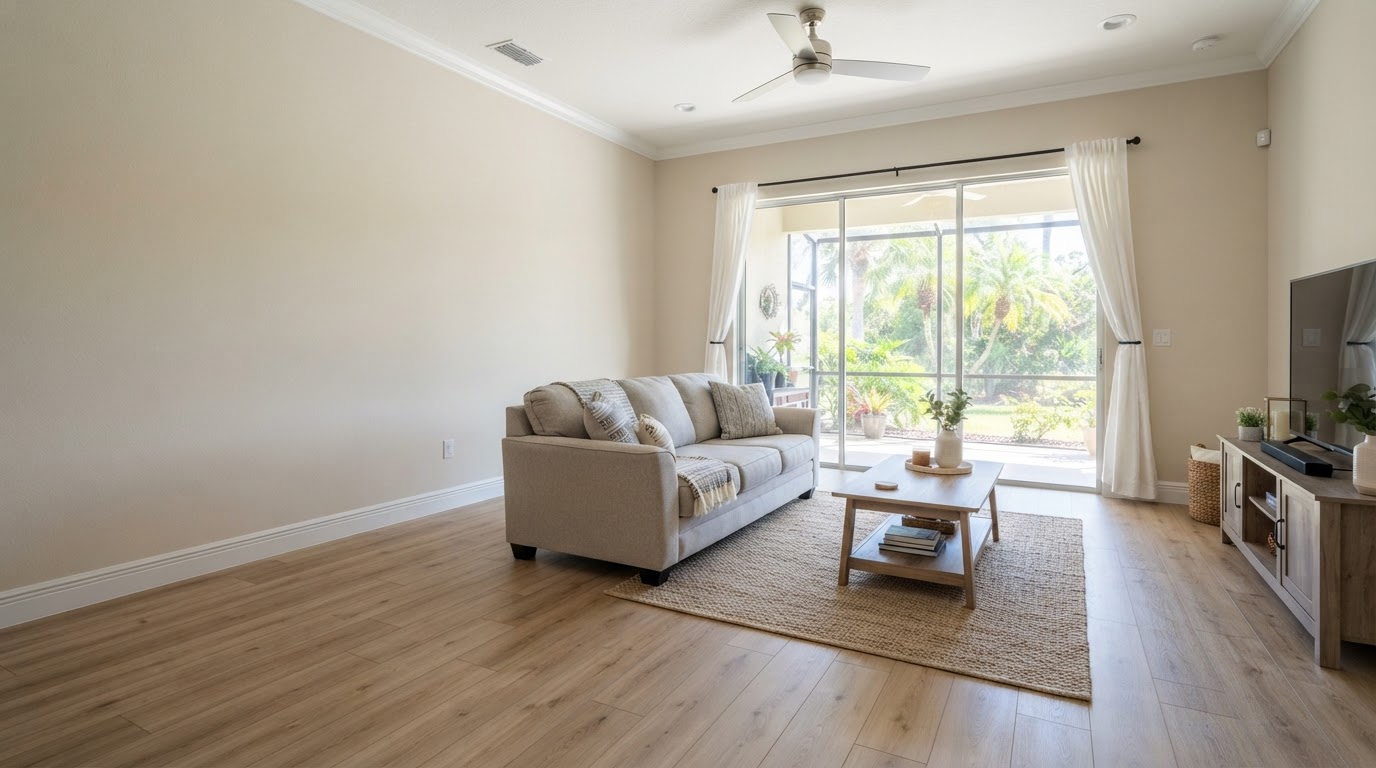
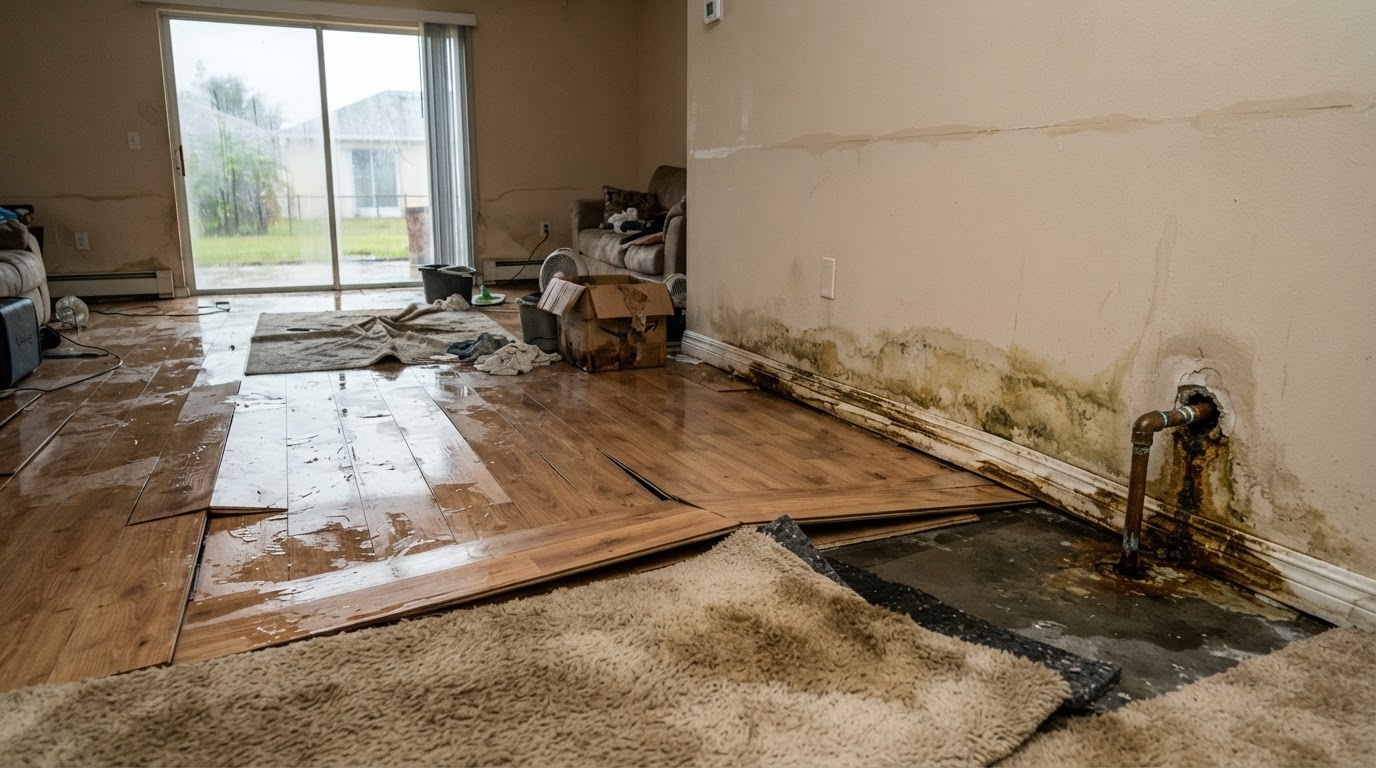
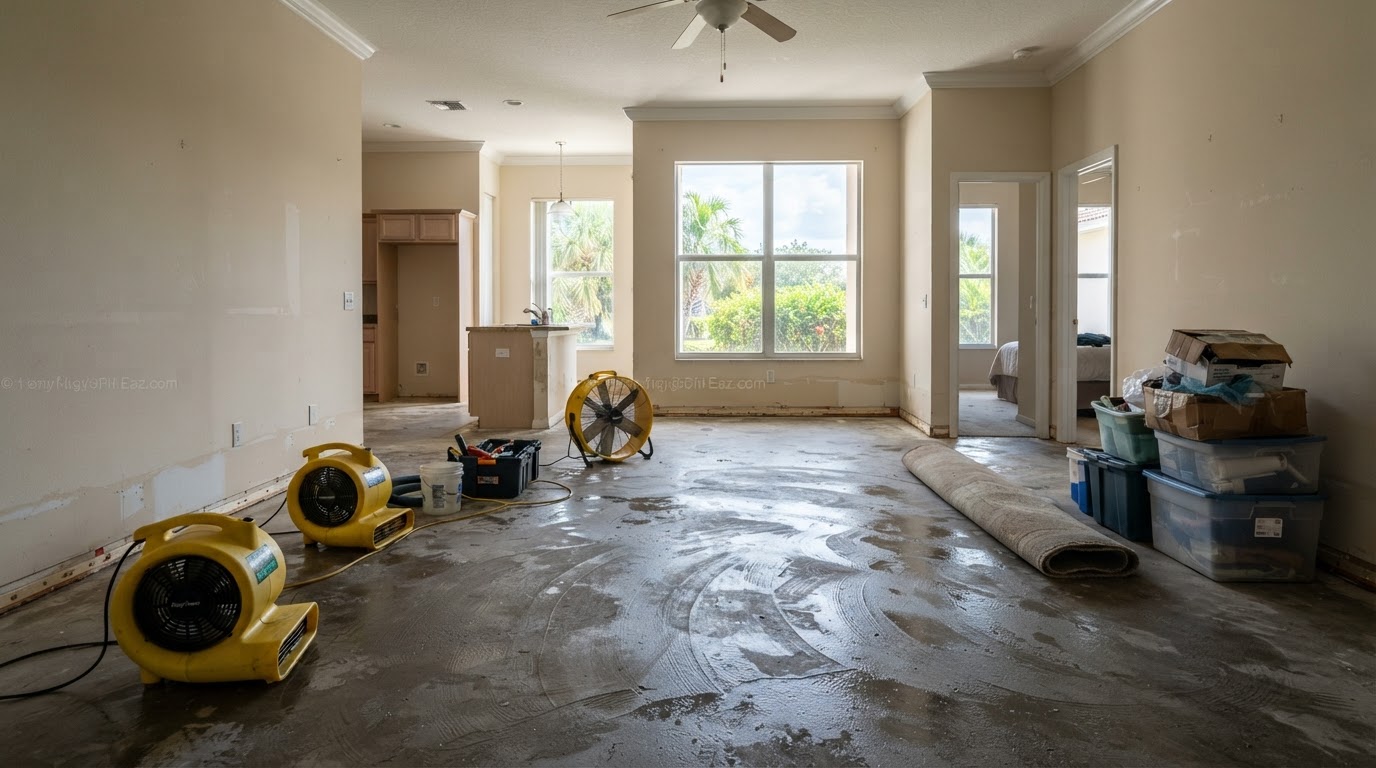
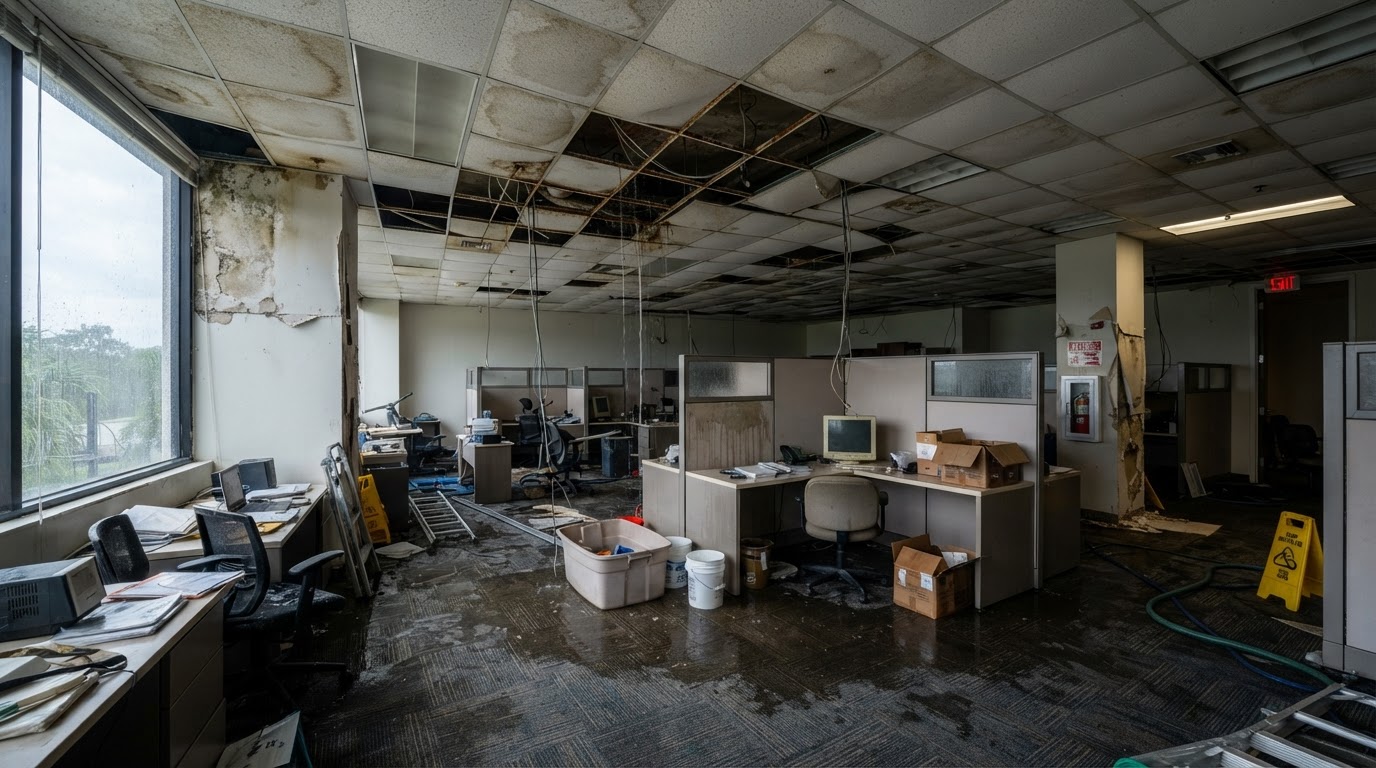
These interactive comparisons illustrate representative transformations associated with Pine Island residential properties, hurricane flooding, coastal restoration, roof damage, stormwater recovery, and the island communities of Bokeelia, Pineland, Pine Island Center, and St. James City. Hurricane and flood restoration near Pine Island is scoped from the actual island property and loss — the sliders below are a visual reference, not a documented Pine Island project.
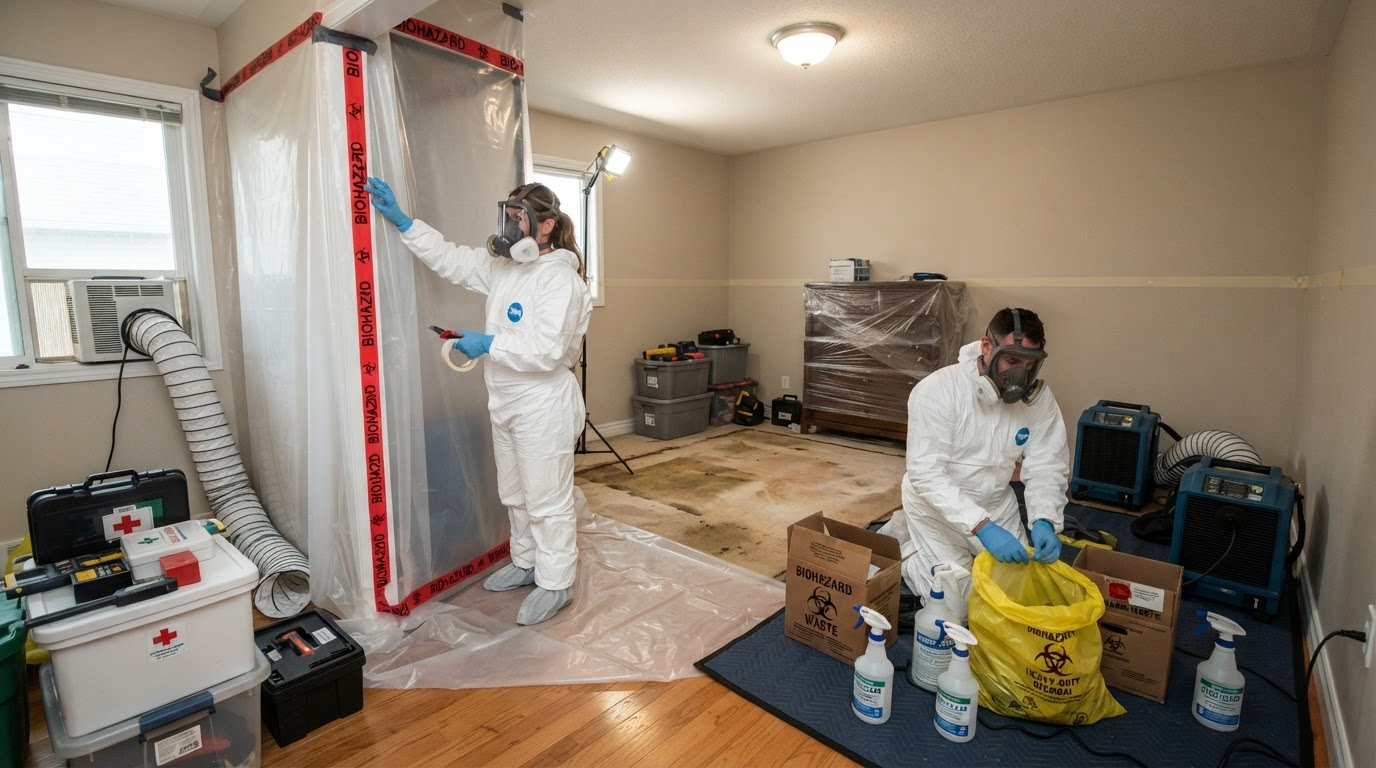
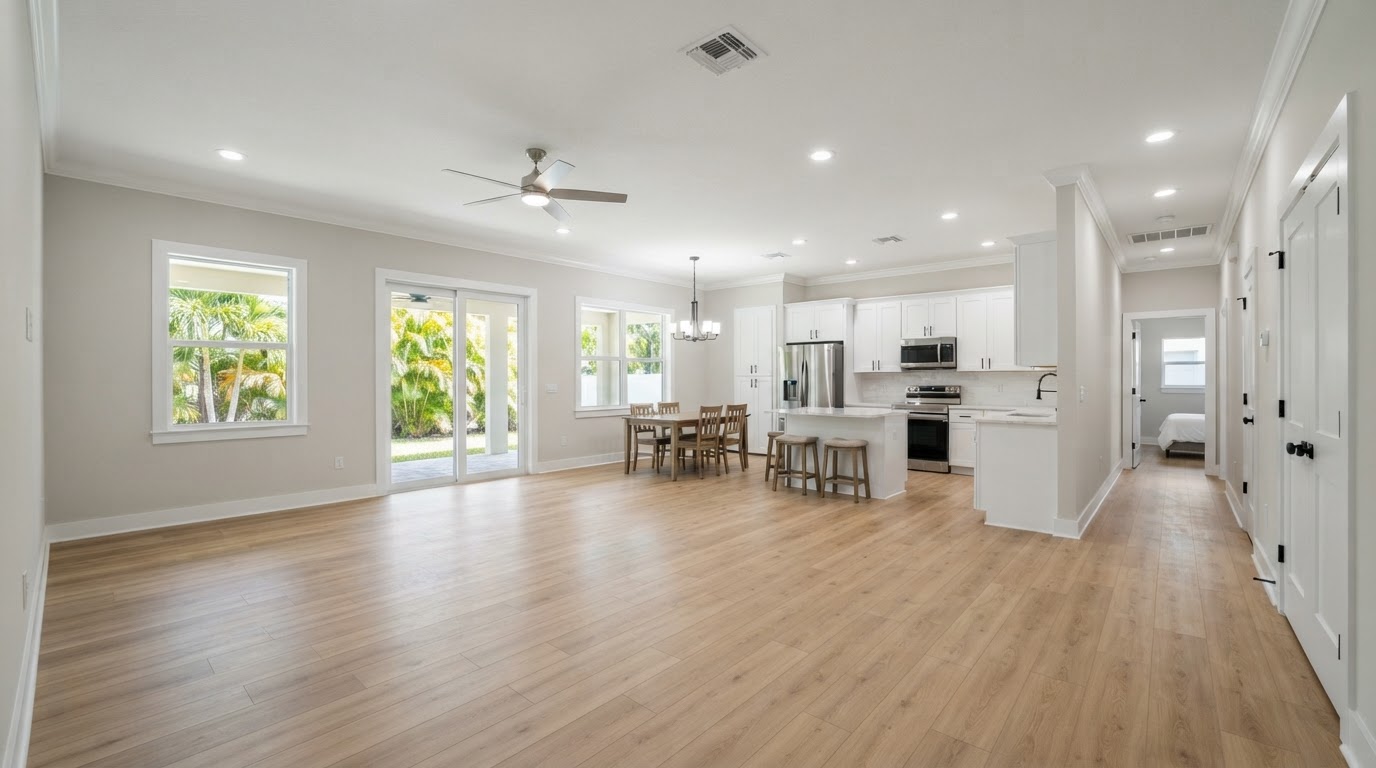
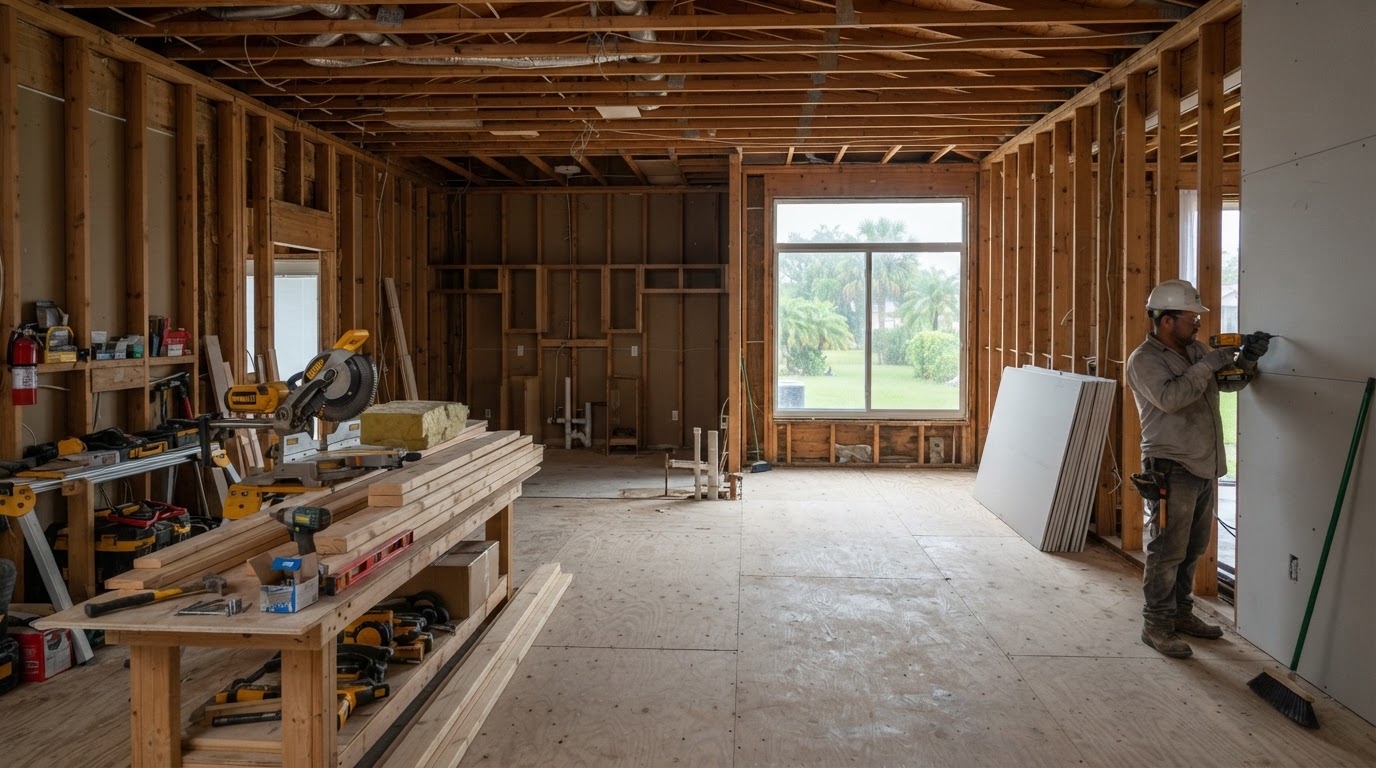
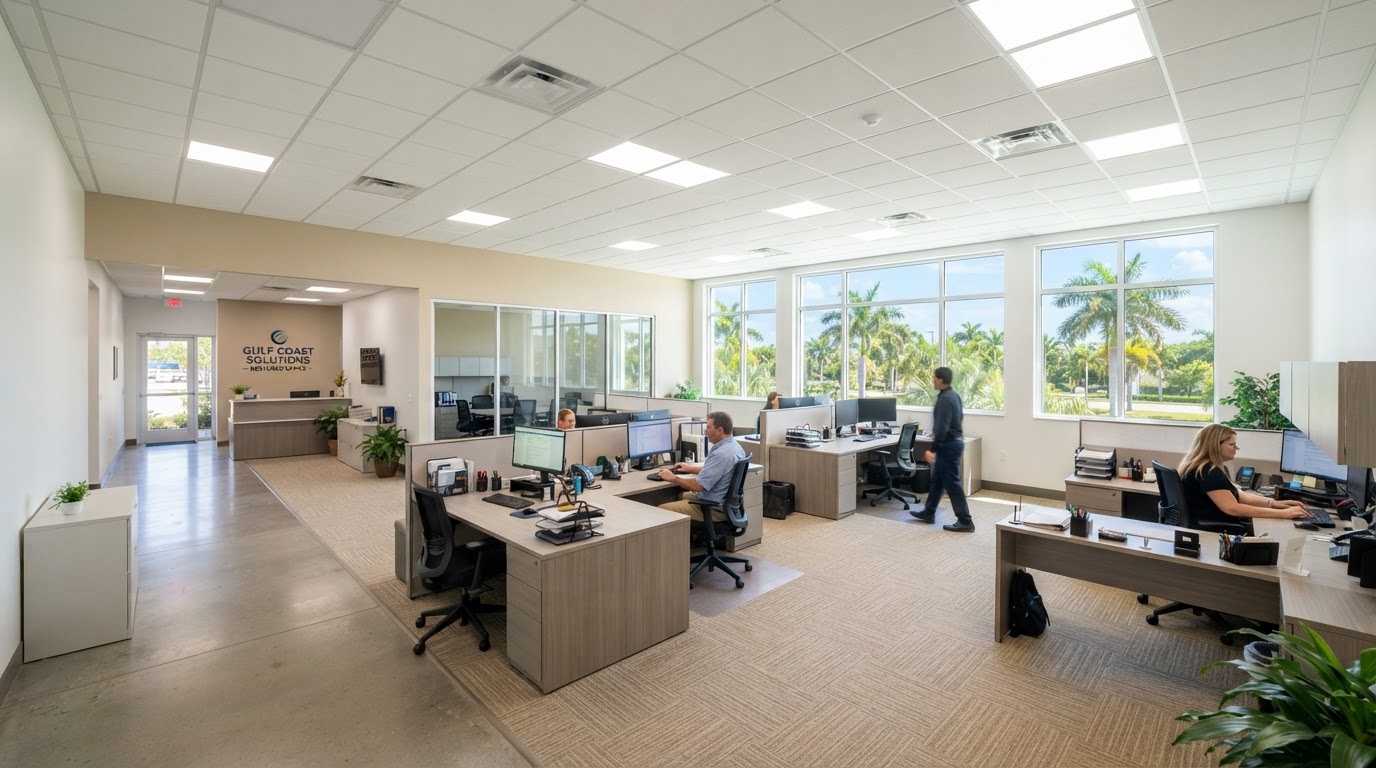
Representative imagery: Interactive Before & After images are representative visual examples illustrating possible property restoration conditions and processes. They do not depict verified completed projects by Port Charlotte Fire & Water Damage Restoration. Actual results vary by damage type, materials, contamination, property condition and restoration scope.
Water Damage Restoration & Cleanup in Pine Island
Water damage restoration in Pine Island may involve water extraction, structural drying, material evaluation, controlled removal of unsalvageable materials, and appropriate repair work. Actual procedures depend on the water source, the saturation extent, any contamination, and the condition of the affected building materials.
 BeforeAfter
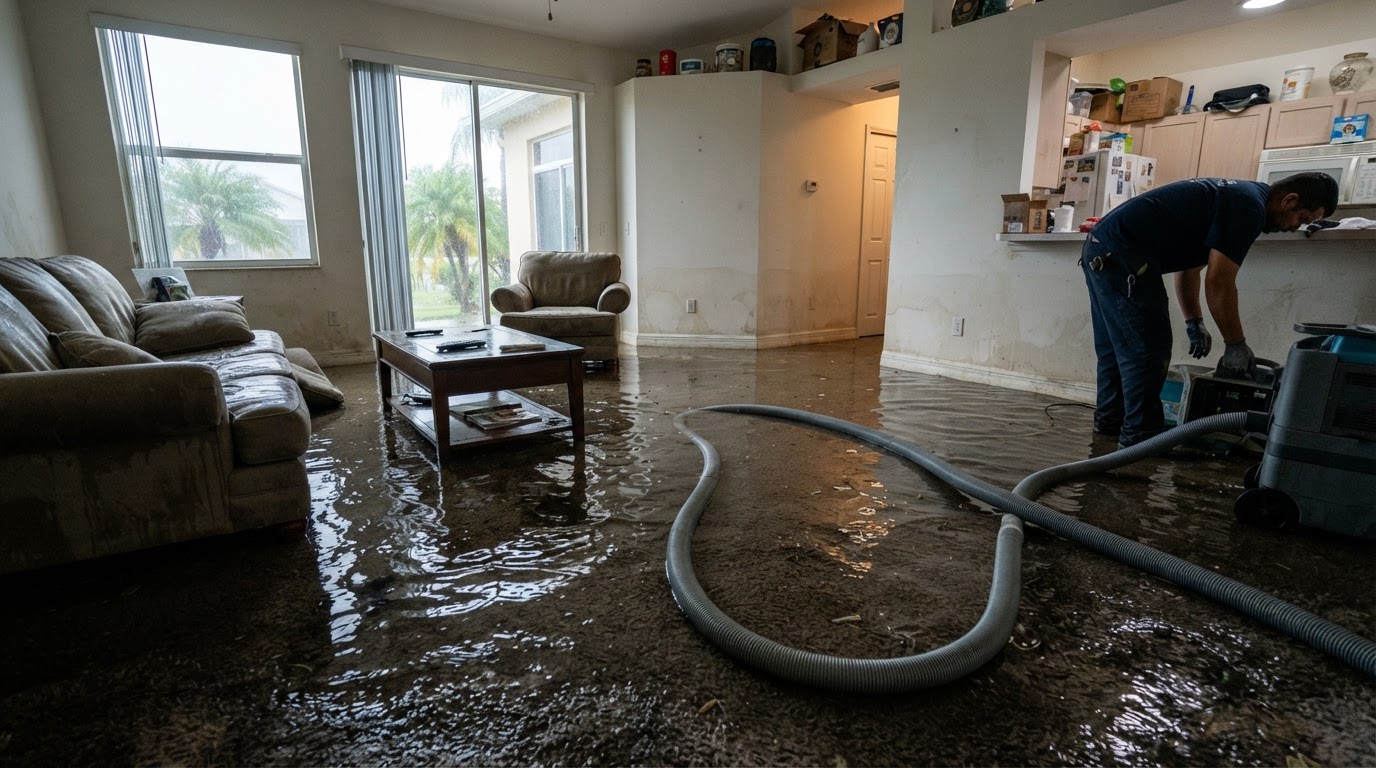
Emergency Water Extraction & Removal Near Pine Island
Emergency water extraction removes accessible standing water from an affected Pine Island property so the building can be evaluated and structurally dried. Extraction is the first response to a water loss, not the final repair — damp materials may remain after the visible water is gone, and drying continues from there.
 BeforeAfter
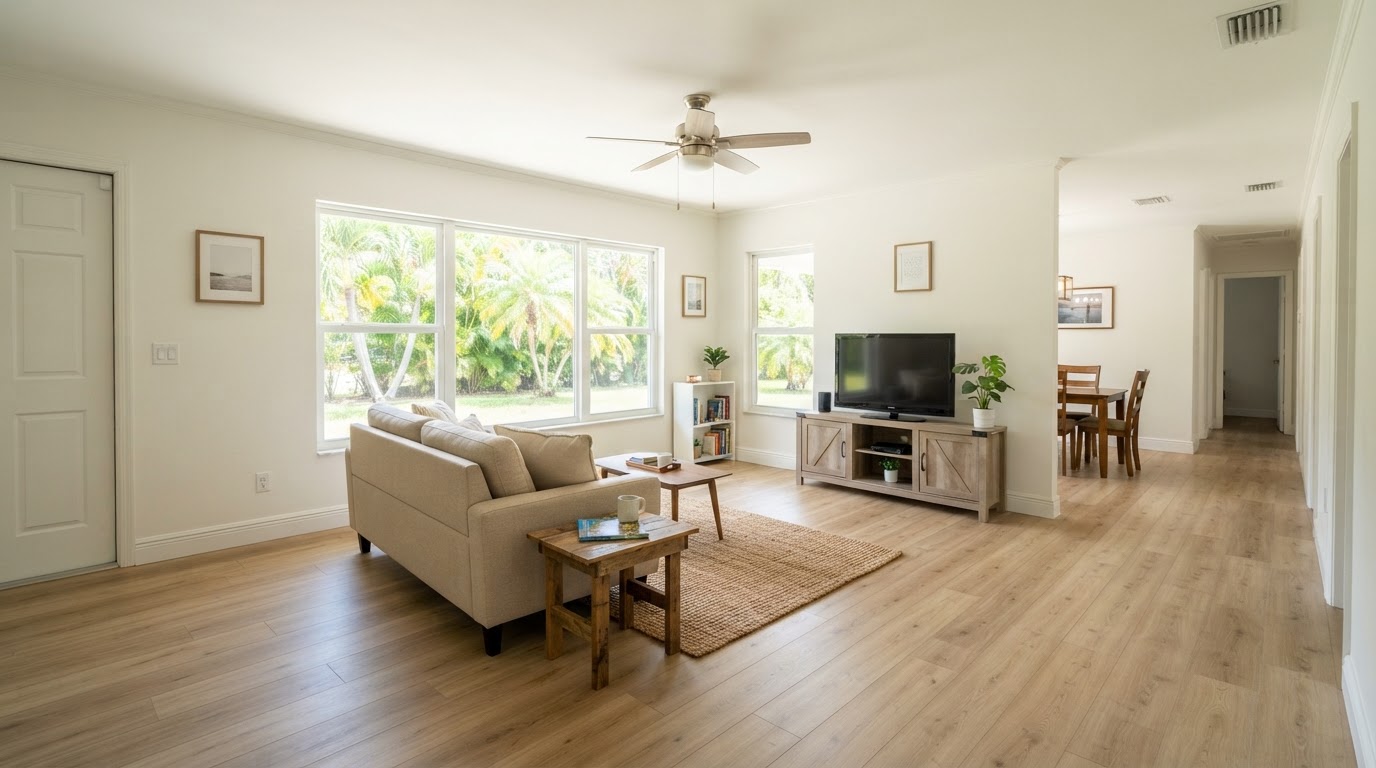
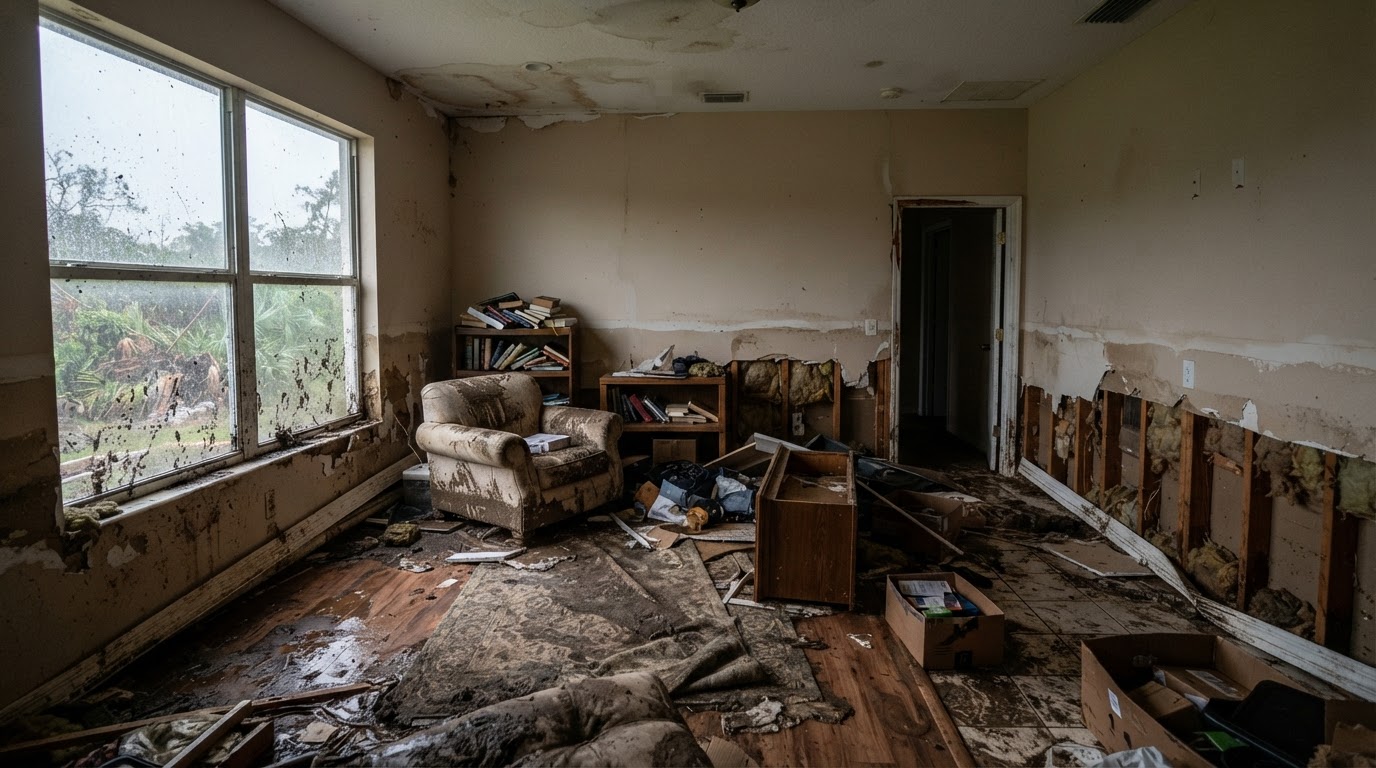
Flood Damage Cleanup & Restoration in Pine Island
Flood damage cleanup in Pine Island addresses floodwater differently from a clean plumbing leak. Floodwater may carry soil, organic material, and contaminants, so porous materials that have absorbed it are evaluated for removal, affected surfaces are cleaned and sanitized, and the structure is dried with monitoring before any reconstruction is planned.
 BeforeAfter
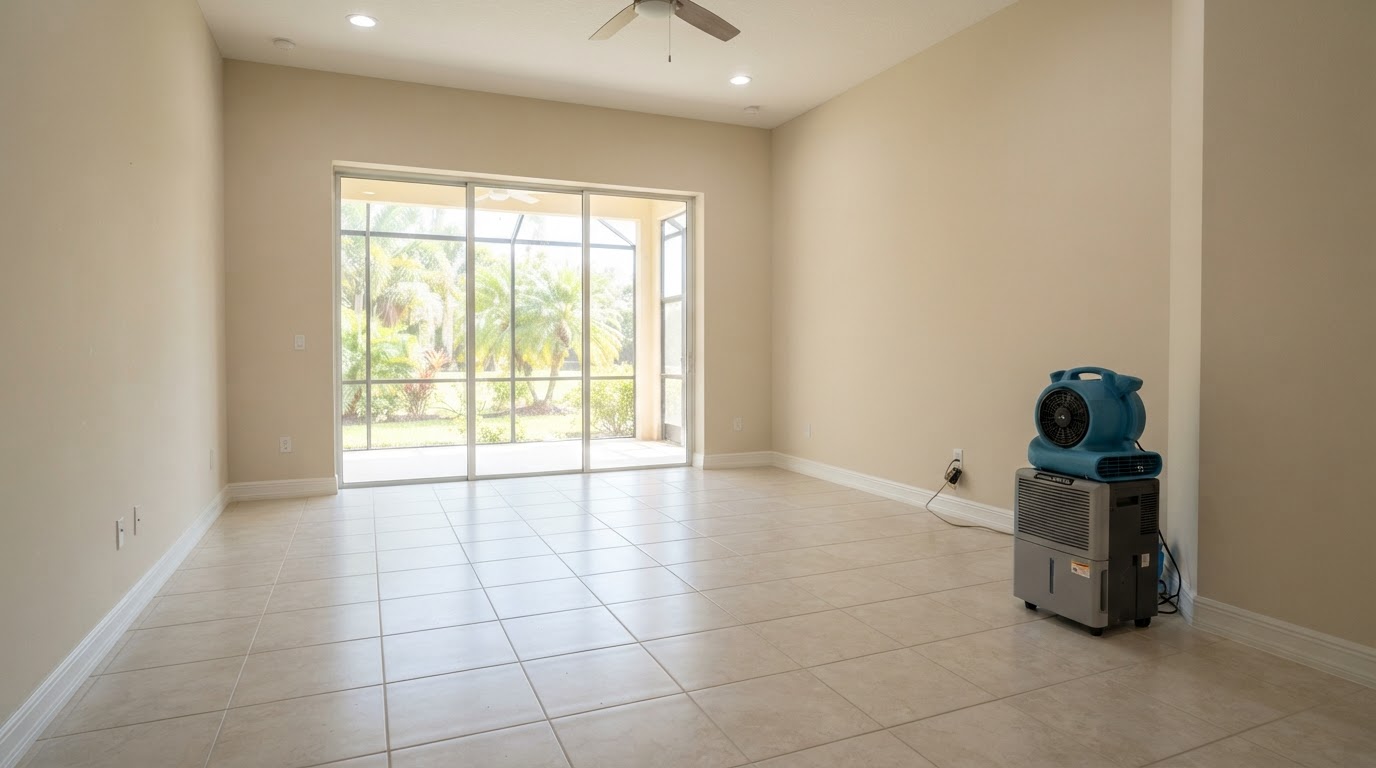
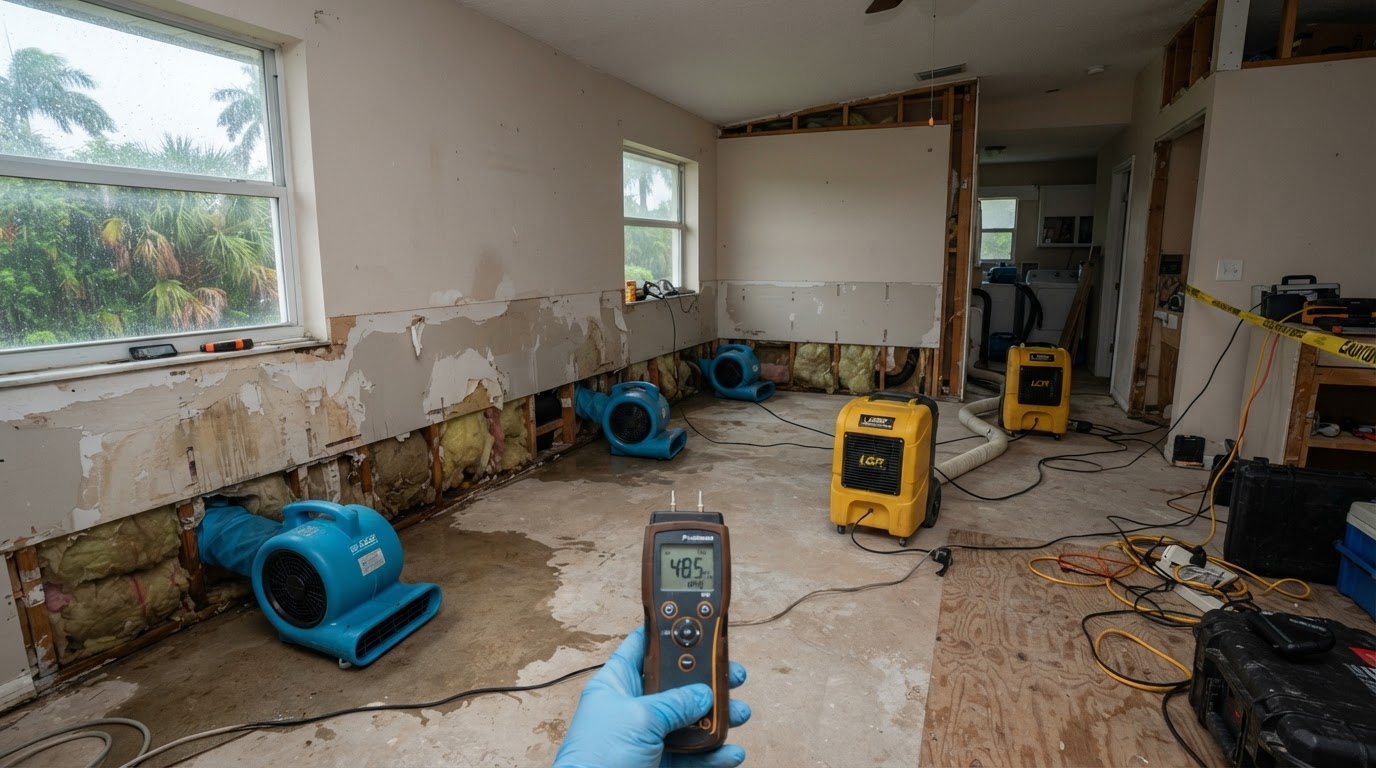
Structural Drying & Dehumidification Near Pine Island
Structural drying near Pine Island uses air movement, dehumidification, moisture monitoring, and material-specific drying to address water trapped inside drywall, insulation, subfloors, framing, and masonry. A dry-looking surface may still conceal moisture inside an assembly, so completion is determined by assessment rather than appearance.
 BeforeAfter
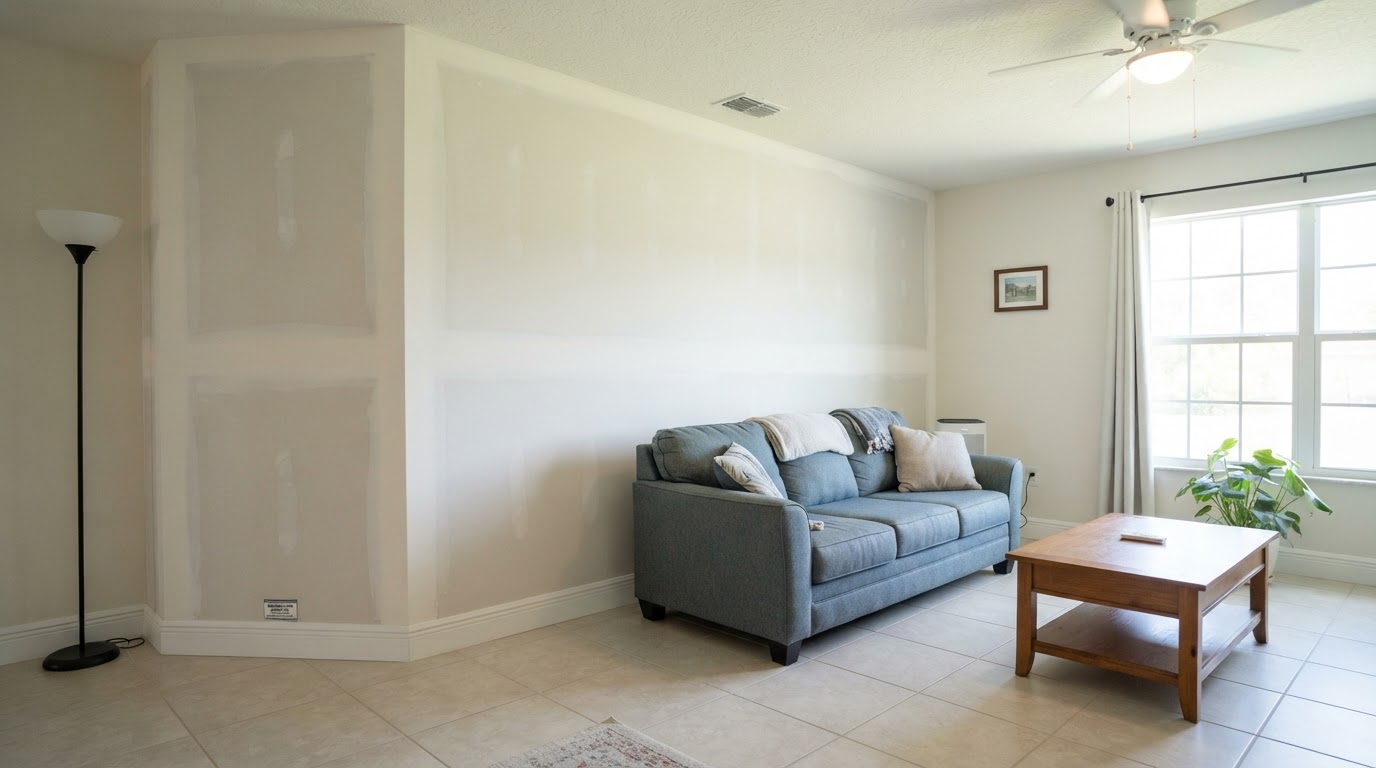
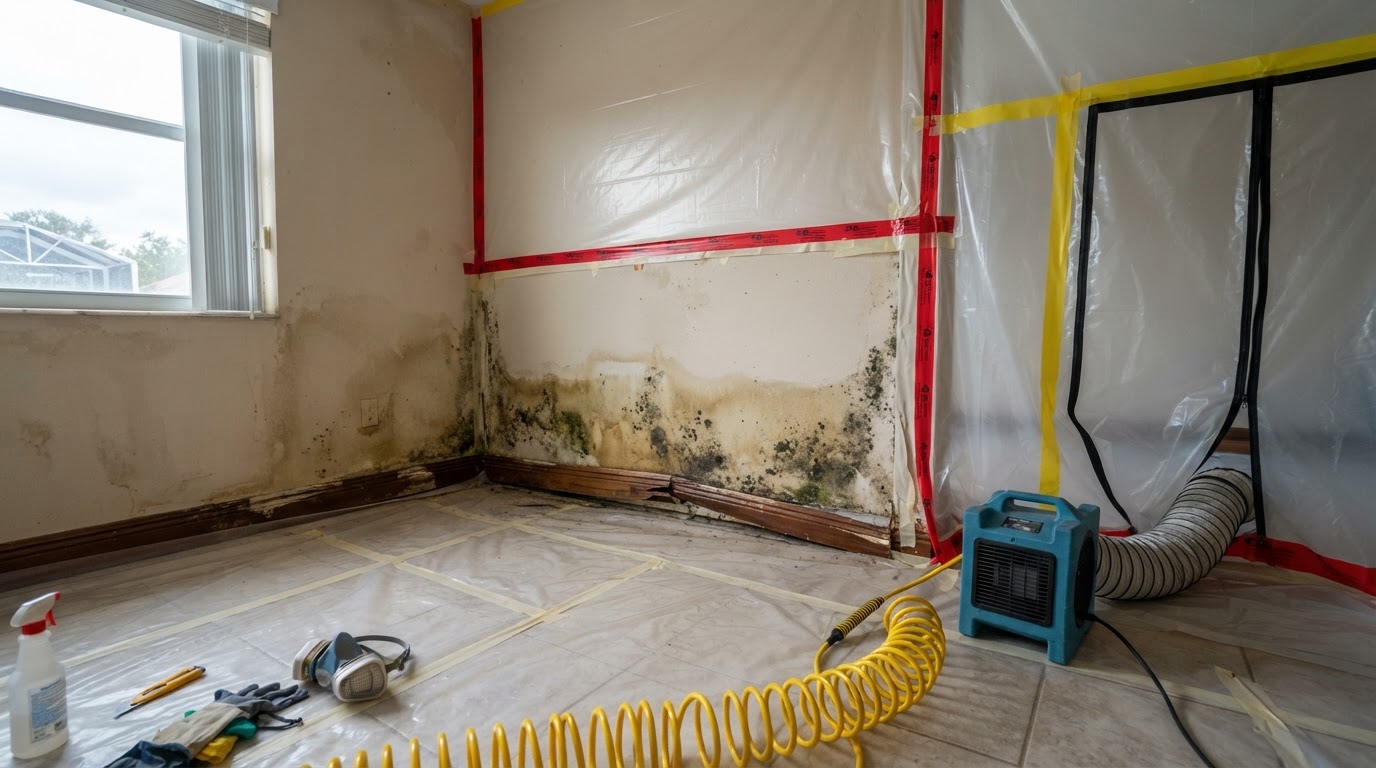
Mold Remediation & Removal in Pine Island
Mold remediation in Pine Island begins with the moisture source — a leak, condensation, or standing water — because remediation without source control leads to recurrence. Work may involve containment, removal of contaminated porous materials, cleaning of affected surfaces, drying, and post-remediation assessment where appropriate. Mold work is distinct from general surface cleaning.
 BeforeAfter
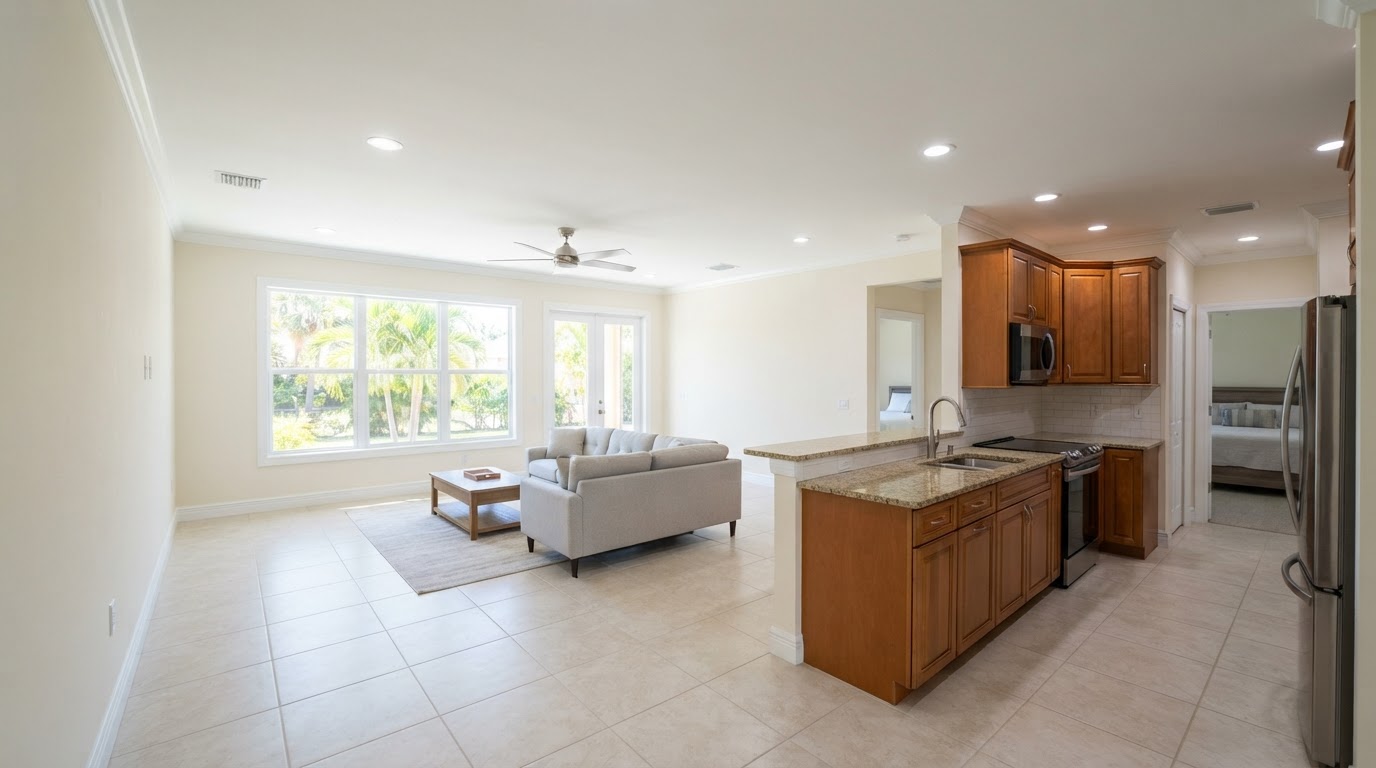
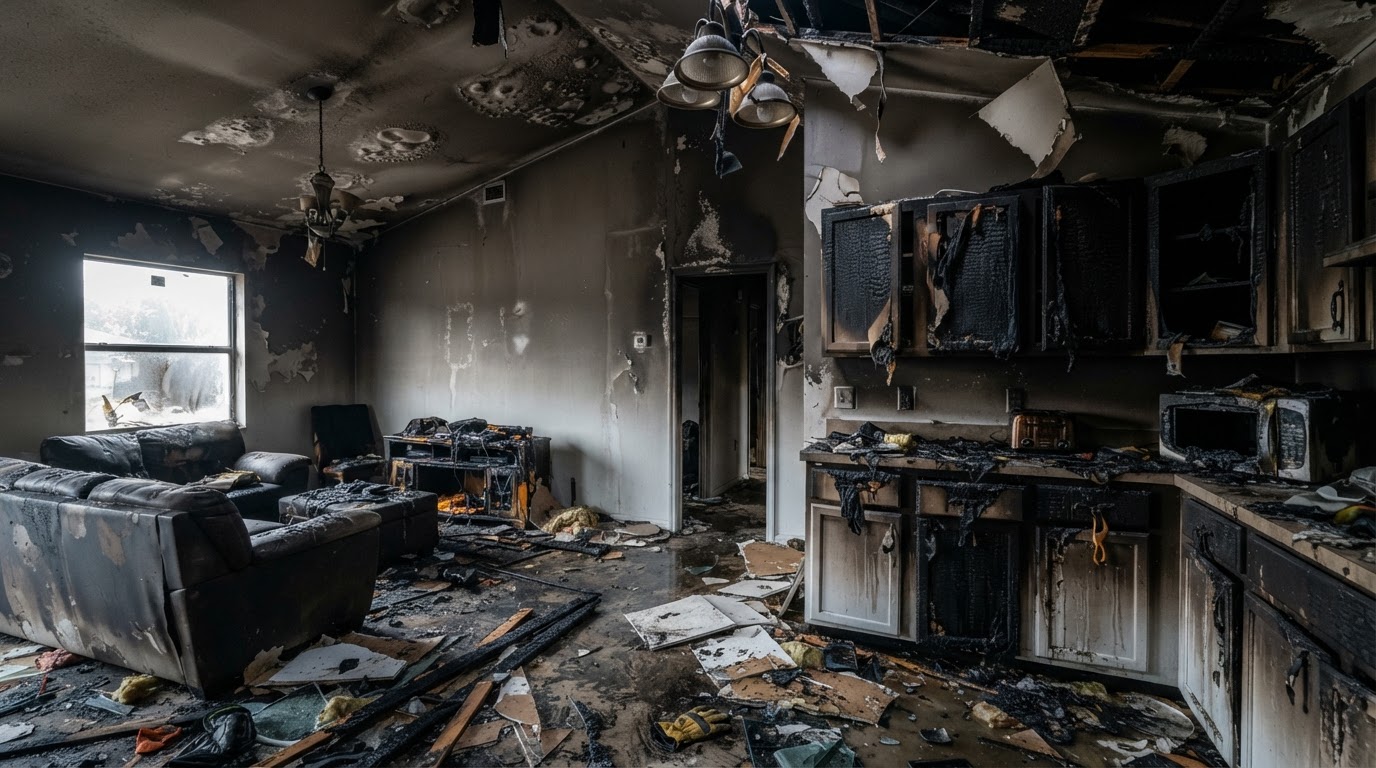
Fire Damage Restoration & Cleanup Near Pine Island
Fire damage restoration near Pine Island addresses char, heat damage, smoke residue, soot, odor, and the water used in suppression. Smoke can travel through the HVAC system and openings to rooms beyond the fire source, so the cleaning scope follows the full extent of smoke travel, not only the area of origin. Contents evaluation and reconstruction planning follow the cleaning.
 BeforeAfter
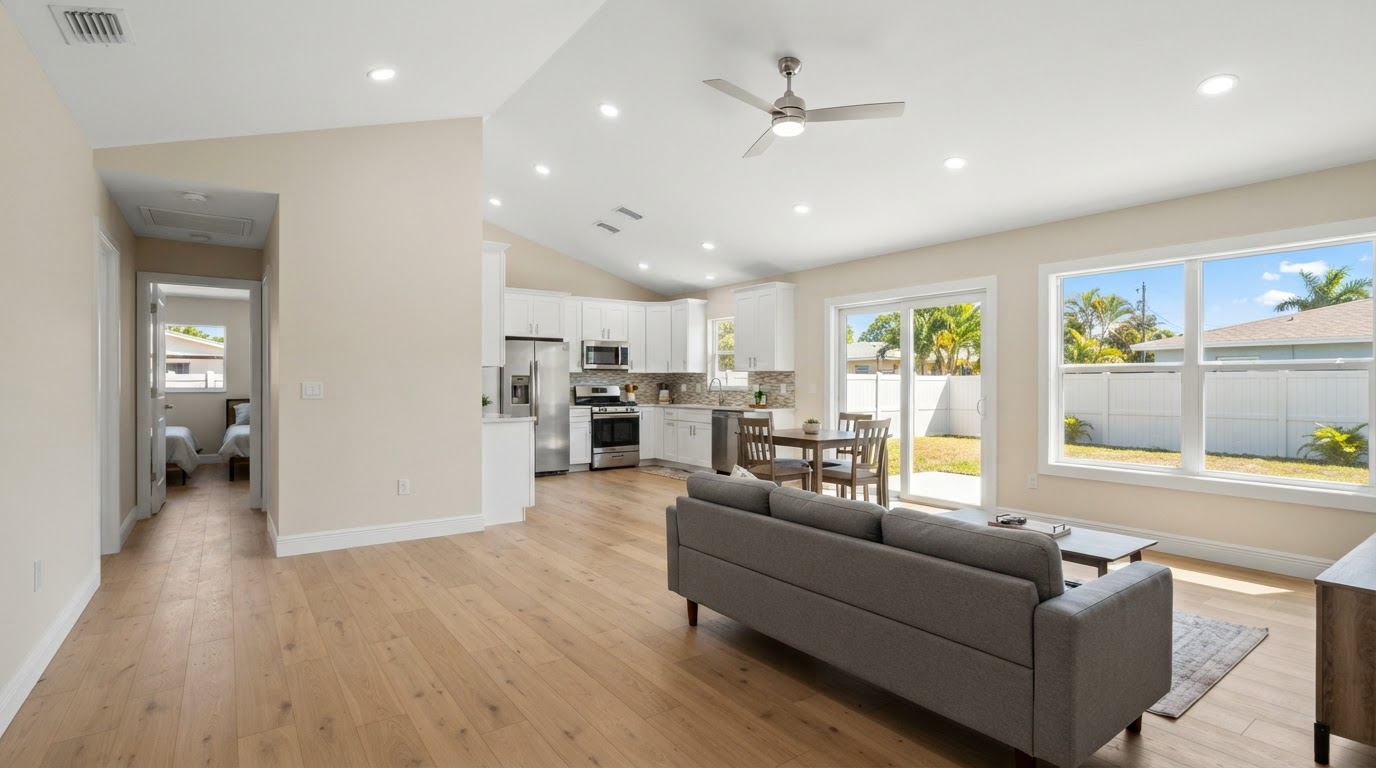
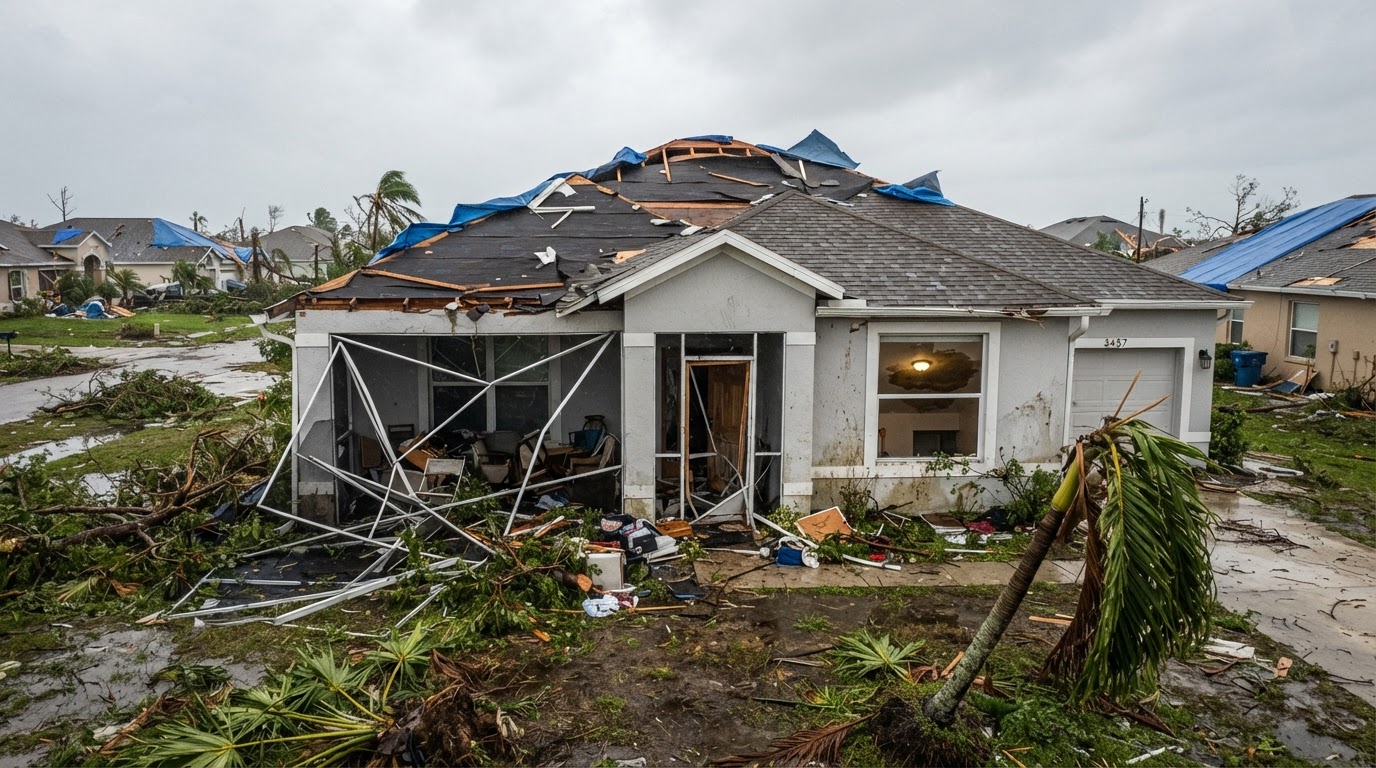
Hurricane & Storm Damage Restoration in Pine Island
Hurricane and storm damage restoration in Pine Island may include roof protection, floodwater cleanup, structural drying, material replacement, and coordinated rebuilding after wind-driven rain, roof intrusion, or storm-related flooding. The scope follows the actual damage and the property's real exposure, not a uniform storm assumption for the whole community.
 BeforeAfter
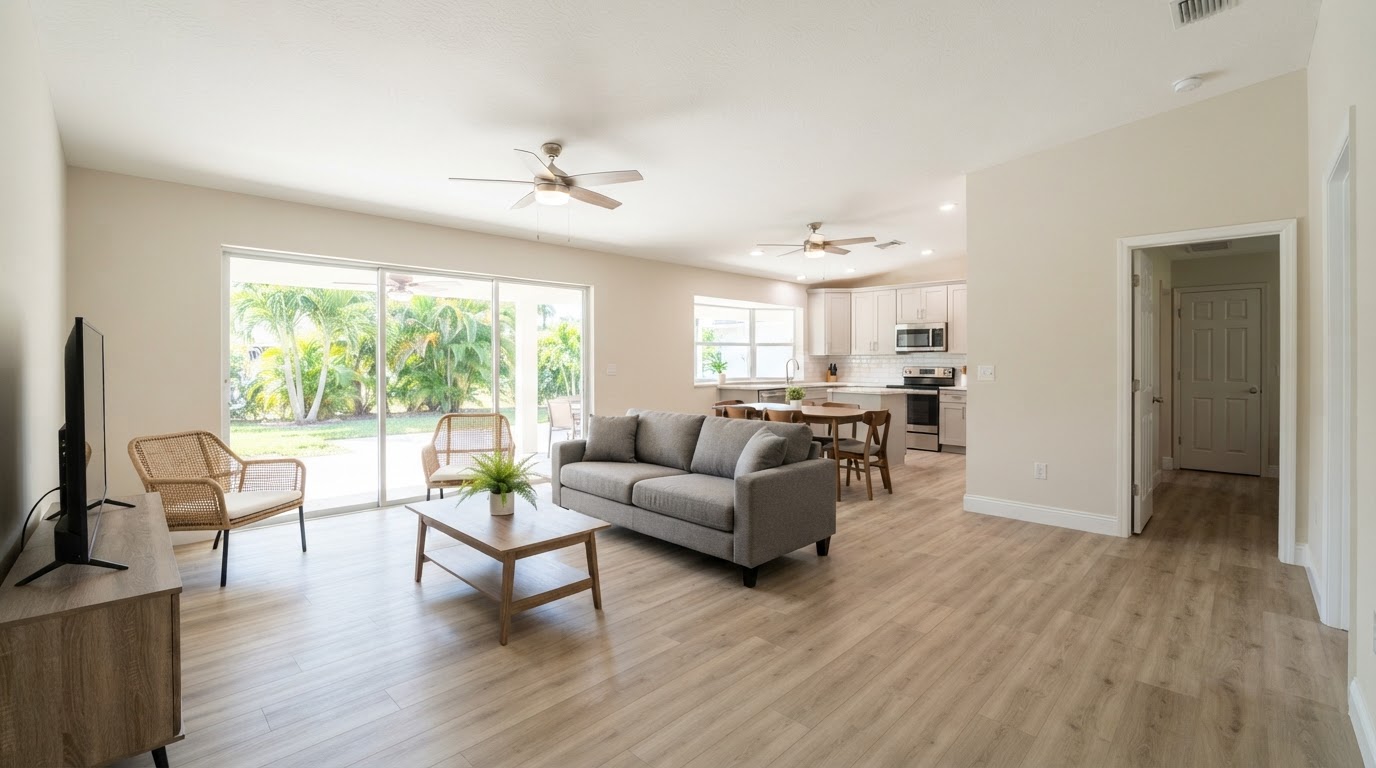
Biohazard Cleanup & Property Restoration Near Pine Island
Biohazard cleanup near Pine Island can require trained personnel, protective procedures, containment, specialized cleaning and disinfection, regulated waste handling, odor management, and material removal where necessary. Each situation is assessed on what is actually present, and the restoration planning that follows is built from that assessment.
 BeforeAfter
Reconstruction & Build-Back in Pine Island
Reconstruction and build-back in Pine Island follows mitigation and drying — replacing removed drywall and insulation, restoring or replacing flooring, repairing framing, and finishing the interior back toward pre-loss condition. The reconstruction scope may be quoted separately from initial cleanup and is coordinated with qualified trades and any required permitting.
 BeforeAfter
Commercial Water Damage Restoration Near Pine Island
Commercial water damage restoration near Pine Island involves water extraction, moisture assessment, structural drying, contents evaluation, tenant or property-manager coordination, and repair planning across affected work areas. A commercial loss may involve multiple suites, shared systems, inventory, and the practical question of whether mitigation can proceed while the business operates.
 BeforeAfter
Explore Hurricane & Flood Restoration Near Pine Island
Pine Island property owners can submit an inquiry about hurricane damage, floodwater intrusion, saltwater concerns, roof leaks, wet building materials, seasonal-home damage, mold, fire damage, or reconstruction. Share the property city, damage category, current condition, affected rooms, known water source, date of discovery, and photos when available.
Nearby Service Areas
Pine Island Flood Restoration FAQs
Direct answers to the questions Pine Island property owners most often ask after coastal flooding, hurricanes, or water damage. Review them, then share your property details so the appropriate next steps can be discussed.
Request Pine Island Flood Restoration Help
Tell us about the property damage and the location. Submit your inquiry so the appropriate next steps can be discussed.